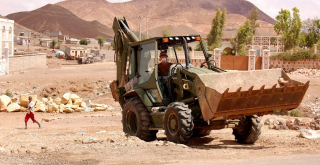
These efforts have yielded limited results due to unstable resource flows and sizable efficiency gaps in public investment management (PIM). Over the past 25 years, spending on public investment (most of which is externally financed) has varied considerably from year to year, and has been on a downward trend since 1990, falling to only 3.1 percent of GDP in 2015. Over the same period, harsh climatic conditions, low infrastructure replacement rates, and poor maintenance have eroded the public capital stock, cutting it by almost half (from 131 percent of GDP in 1990 to 69 percent in 2015). In 2015-16, in the wake of peace agreements with Northern insurgents, efficient public investment has become a government priority in rebuilding war-damaged infrastructure in the Northern Mali hinterland.
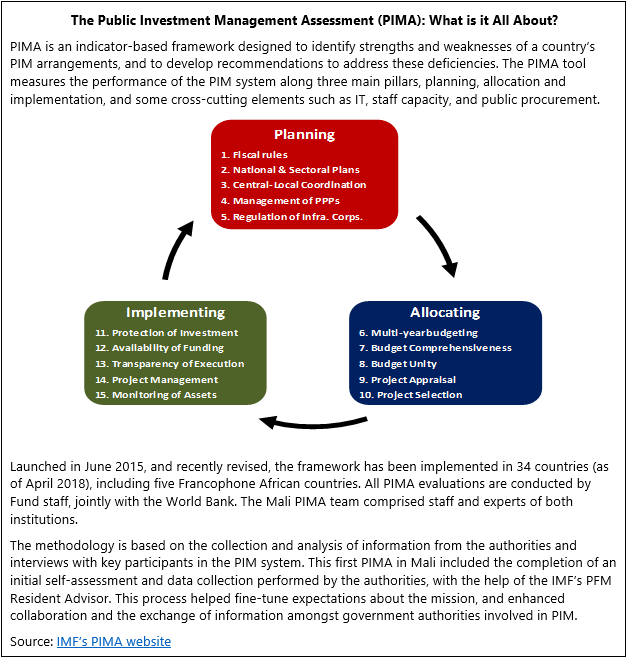
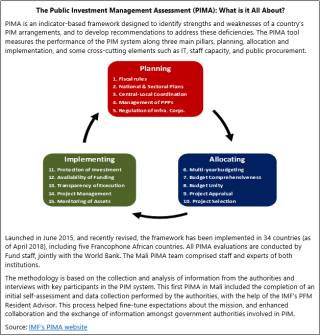
In this context, the Mali government requested the IMF’s Fiscal Affairs Department to conduct a Public Investment Management Assessment (PIMA) , which is described in the Box below (Click on the box for a better image resolution).
The evaluation brought to light a generally robust Mali PIM institutional framework, which nevertheless falls below best practice in some areas. Overall, for a given amount of public investment, the amount and quality of infrastructure produced in Mali is 43 percent lower than in the most efficient countries. Identified gaps with best practice include poor coordination between central and regional entities, an incomplete PPP framework, weak oversight of public enterprises, and poor maintenance of public assets. There is also a need for capacity re-enforcement across many of the PIM institutions.
The evaluation team’s proposed recommendations and actions straddle four main priority areas: to strengthen the social-economic impact of investment expenditures; consolidate the investment effort; maintain existing infrastructure in the long term; and improve PIM governance.
Note: The posts on the IMF PFM Blog should not be reported as representing the views of the IMF. The views expressed are those of the authors and do not necessarily represent those of the IMF or IMF policy.