Credit Ian Hawkesworth/ IMF
Credit Ian Hawkesworth/ IMF

Credit Ian Hawkesworth/ IMF
Credit Ian Hawkesworth/ IMF
43 officials from 19 countries participated in a regional workshop in Nairobi, Kenya in February 2024. It was organized by the IMF’s Fiscal Affairs Department and supported by the IMF’s regional technical assistance centers in Africa. The workshop brought together senior officials including Heads of Public Investment Units, Public Private Partnership Offices, Planning Commissions, and senior budget officials from Anglophone Sub-Saharan African countries to develop and exchange knowledge with peers and IMF experts on Public Investment Management (PIM). The workshop was structured around several themes discussed through lectures, peer presentations and exercises.
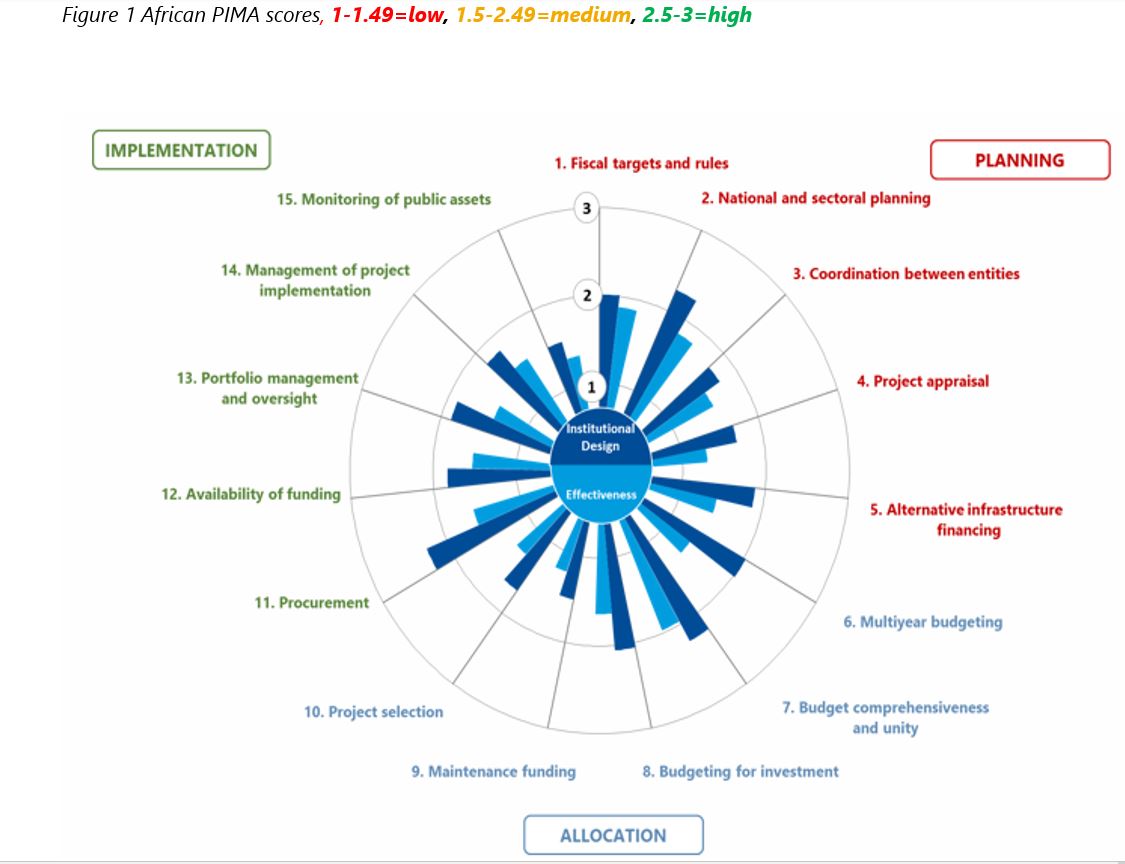
Based on recent PIM Assessments (PIMAs) from the region (Figure 1) several gaps were identified. While the design of PIM systems can overall be characterized as medium in terms of their average strength, the average effectiveness across the region is lagging. The key bottlenecks are commonly found in project appraisal, project selection, multi-year budgeting, maintenance funding, and the monitoring of public assets. In addition, participants identified poor capacity and gaps in the legal framework as areas of weakness in many of their countries’ PIM systems.
Each participating country took stock of its enabling PIM environment and developed a reform roadmap for the coming years, building on a similar exercise undertaken in November 2020.
Participants also undertook several specific hands-on exercises aligned with the PIMA findings and emerging themes such as climate change. The exercises included: (i) a spreadsheet-based project appraisal task covering financial and economic scenario analysis of a project; (ii) the role of public corporations in delivering infrastructure services and how to fund them; (iii) how to prioritize and select climate change related projects; and (iv) a role-playing exercise focused on key issues with respect to negotiating and evaluating unsolicited public-private partnership (PPP) proposals.
Some key takeaways from the sessions included:
[1] Based on a presentation and materials delivered by Gertrude Basiima, an Assistant Commissioner Project Analysis, MoFPED, and Jim Mugunga, Executive Director, Public Private Partnerships Unit, MoFPED, Uganda.
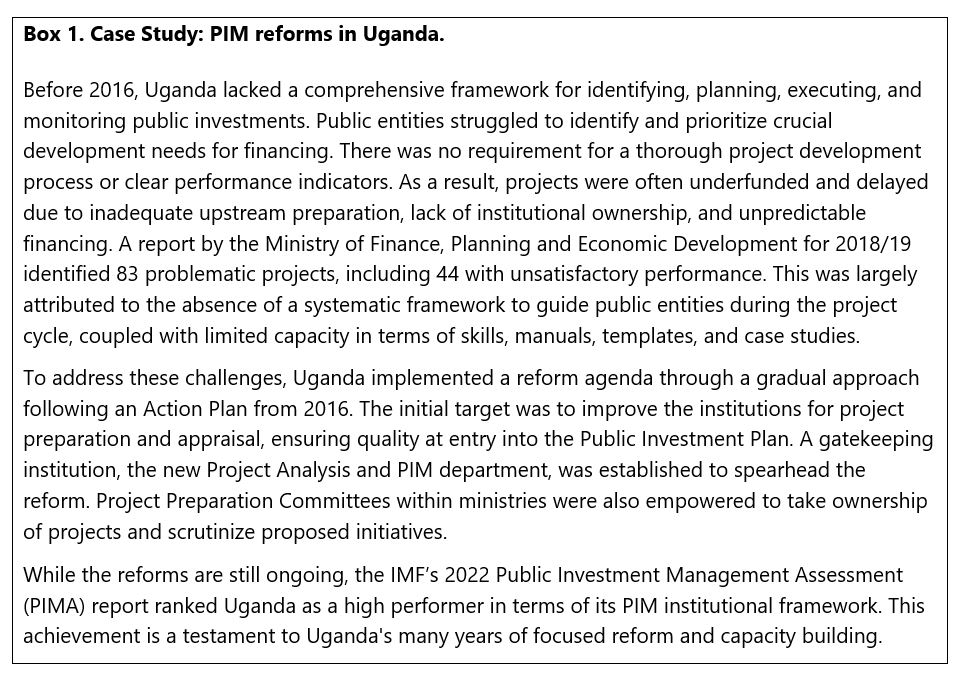
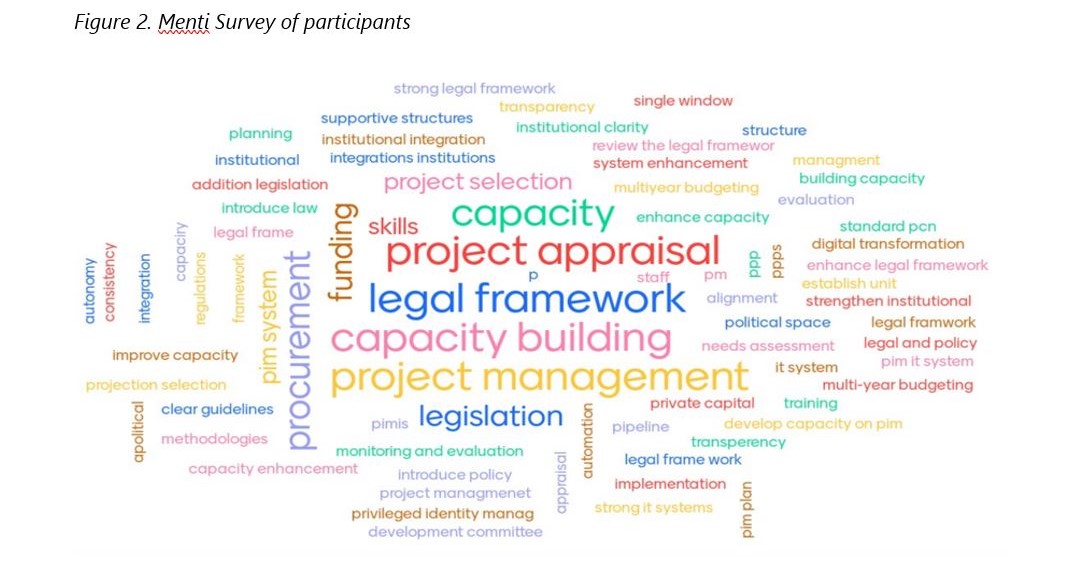
Figure 2 below, based on a survey of participants, shows what are considered as the most important reforms in the region.