Credit IMF
Credit IMF

Credit IMF
Credit IMF
Recent years have shown that African economies face growing challenges: economic shocks, climate risks, and the need for better public services. To respond, governments must be able to look ahead, anticipate risks, and make informed budget decisions. This is where the “macro-fiscal function” comes in—it’s about bringing together economic forecasting, budget planning, and risk management so that countries can make smarter choices for the future.
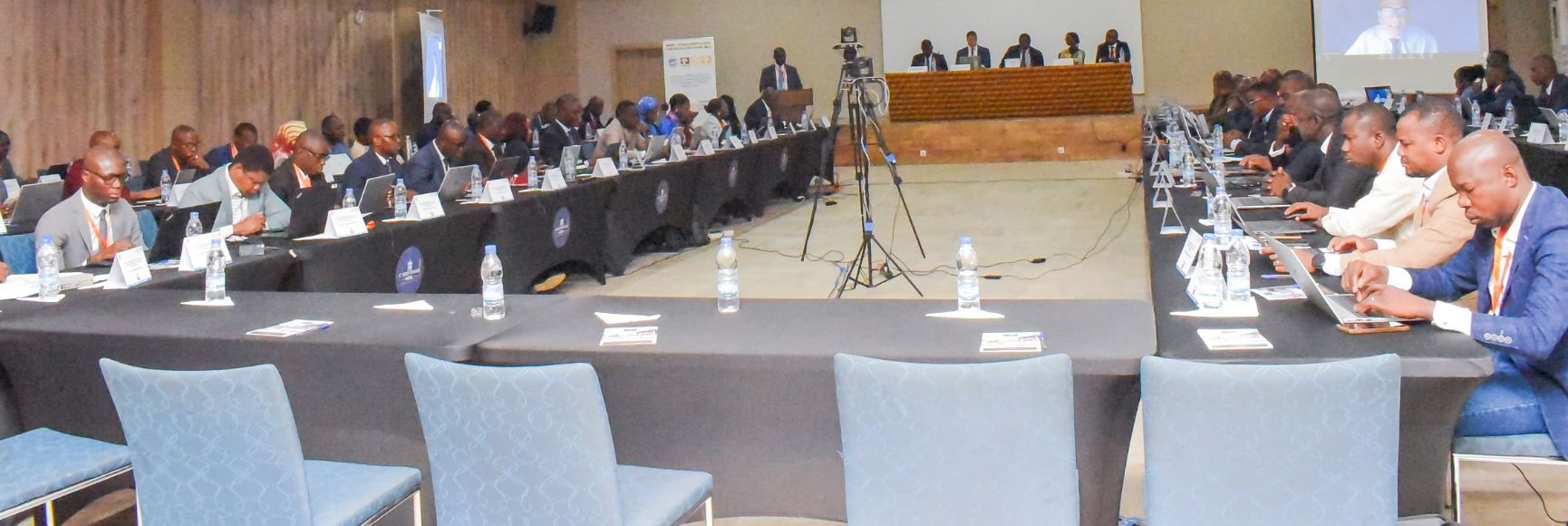
Three of the IMF’s regional technical assistance centers in Sub-Saharan Africa, AFRITAC Central (AFC), West (AFW) and South (AFS), together with the IMF’s Fiscal Affairs Department, organized earlier this year, workshops on strengthening the macrofiscal function. The workshops—one virtual, and one in-person held in Cote d’Ivoire—sought to institutionalize this function within national budget cycles, enhance fiscal risk management, and foster peer learning among regional administrations. Nearly 70 senior officials representing 21 countries,[1] regional commissions,[2] and central banks[3] participated in the event.
The workshops provided presentations on a range of macrofiscal technical and institutional issues by IMF staff. They also showcased a range of initiatives in the region that have been strengthened through technical assistance provided by AFC, AFW, and AFS missions. Most interesting perhaps were the in-depth discussions by participants on challenges countries face in strengthening the macrofiscal function and how to potentially address these.
Successful initiatives:
Key challenges to strengthening the macrofiscal function:
To meet these challenges, participants agreed on the following key recommendations :
Feedback from participants suggested that thanks to these workshops participants will be able to start applying the knowledge gained in their respective administrations. They especially appreciated the collaboration with officials from other countries on identification of capacity development priorities and operational recommendations. The IMF’s technical assistance centers in Sub-Saharan Africa will continue to support member countries in implementing these recommendations and promoting good practices adapted to regional contexts.
[1] Benin, Burkina Faso, Burundi, Cameroon, Central African Republic, Chad, Congo, Comoros, Ivory Coast, Gabon, Guinea, Guinea-Bissau, Equatorial Guinea, Madagascar, Mali, Mauritania, Niger, Democratic Republic of Congo, São Tomé and Príncipe, Senegal, and Togo.
[2] Economic and Monetary Community of Central Africa (CEMAC) et West African Economic and Monetary Union (WAEMU).
[3] Central Bank of West African States, Bank of Central African States, Central Bank of Burundi, Central Bank of the Republic of Guinea, Central Bank of Mauritania, Central Bank of the Democratic Republic of Congo, Central Bank of São Tomé and Príncipe.


